Pudu at the Ghost Festival: Offerings, Order of Service, Taboos
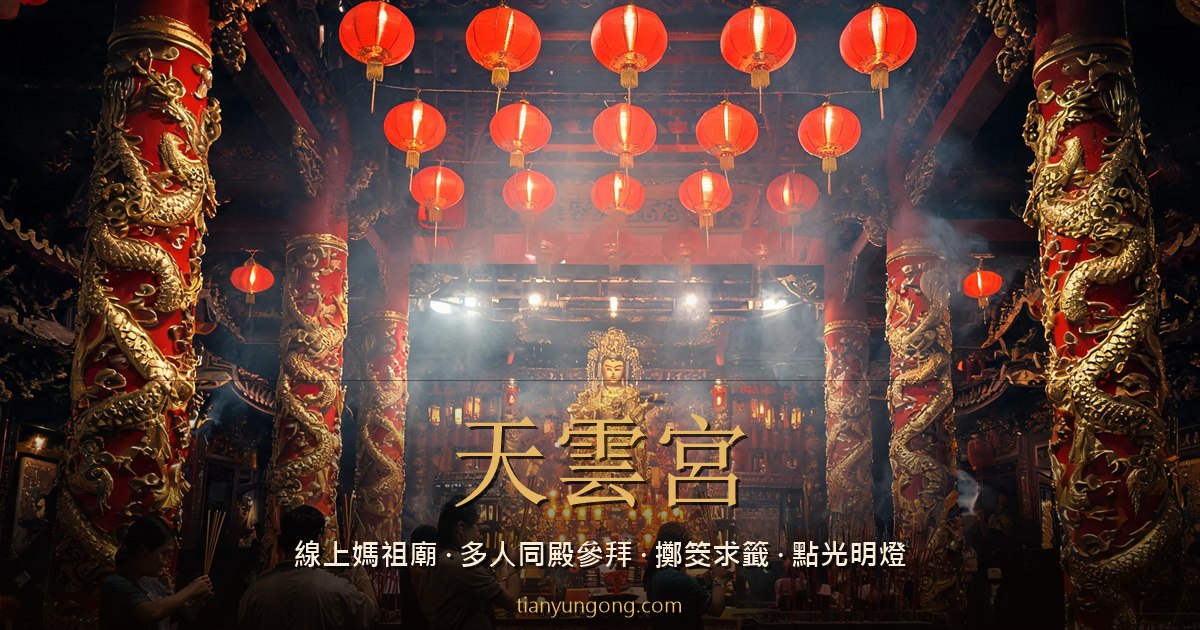
When the seventh lunar month arrives, tables go up in temple courtyards. Pudu is not about asking for wealth for yourself; it is about giving the spirits who have no one to make offerings for them a meal and a sutra, and asking for peace at home in return. This guide covers the offerings, the sequence, the taboos and the online version.
What Pudu is
The fifteenth day of the seventh lunar month is the birthday of the Earth Official, one of the Three Officials of Daoism. Folk belief holds that on this day the Earth Official pardons sins, the underworld opens, and spirits with no one to remember them come looking for food — hence Pudu. Buddhism marks the same day as Ullambana, the story of Maudgalyayana saving his mother. The two traditions merged into what Taiwanese people know as the seventh-month festival. The spirits are collectively called "good brothers", and the deity presiding over the rites is Pudu Gong.
What to prepare
Three offerings (三牲): chicken, pork and fish. Vegetarians can use vegetarian substitutes or a fully vegetarian table.
Five fruits: seasonal fruit, avoiding bananas, plums, pears and guavas — names with unlucky homophones or too many seeds.
Rice and dishes: six or twelve bowls, with meat and vegetarian tables kept separate.
Also: wine and water, a Pudu flag, a basin and towel for the spirits to wash, and joss paper — burn the clothing paper first, then the silver paper.
The full sequence
1. Set the table: meat in front, vegetarian behind, offerings neatly arranged, nothing stored underneath.
2. Set up the tablets: write "Pudu Gong" and "good brothers", and plant the Pudu flag.
3. Offer incense: three sticks. Address Pudu Gong first, then invite the good brothers to eat. Do not call out your own name.
4. Burn joss paper: wait until the incense has burned halfway. Burn the clothing paper first, then the silver paper.
5. Clear the table: once the incense is out and the paper is ash, take the offerings home to cook, vegetarian first.
Five taboos
Do not call out your own name or date of birth during Pudu.
Do not eat the offerings before offering incense, and do not eat while worshipping.
Do not grab offerings, and do not kick the joss paper at the table legs.
Write the Pudu flag clearly, burn it afterwards, and do not take it home.
Whether pregnant women or families in mourning take part varies by local custom; if it makes you uneasy, sit it out.
Doing it online
1. Enter Tianyun Temple and walk to the long Pudu table in the courtyard, beside the Heaven Lord censer, on your left as you face the gate.
2. Set up the tablet: "Pudu Gong" by default, or enter a surname or form of address.
3. Arrange offerings: flowers, fruit and cakes. All three are needed before you can offer incense.
4. Offer incense and burn joss paper: place the incense in the censer on the table and burn the paper in the brazier beside it. The rite is complete.
Afterwards
Take the offerings back, burn the paper at the table legs, and burn the Pudu flag too. Traditionally the food is cooked and shared, symbolising shared blessing. Online there is no physical food; when the rite is complete, press "release the tablet" to clear the table.
Enter the temple — free, no signup →Frequently asked questions
The fifteenth is the main day, but any day in the seventh lunar month works. Companies and neighbourhoods often move it to a weekend. Sincerity matters more than the date.
No. Vegetarians can prepare vegetarian substitutes or a fully vegetarian table, which is equally complete. Neat arrangement and genuine intent are the point.
Both. Address Pudu Gong first, and Pudu Gong then presides over inviting the good brothers to eat — which is why the Pudu Gong tablet goes at the front.
Yes, after the incense has burned out and the paper is ash. Taking them home to cook symbolises shared blessing. Eating before the incense is a taboo.
Online Pudu keeps the full sequence — tablet, offerings, incense, joss paper. The form differs, the intention does not. Whether you believe is up to you; peace of mind is the point.
The Pudu table at Tianyun Temple is free; offerings are bought with temple coins at the service desk. Physical Pudu varies with scale, from a few hundred to several thousand dollars.