What Shoujing Is, When to Have It Done, and How It Works Online
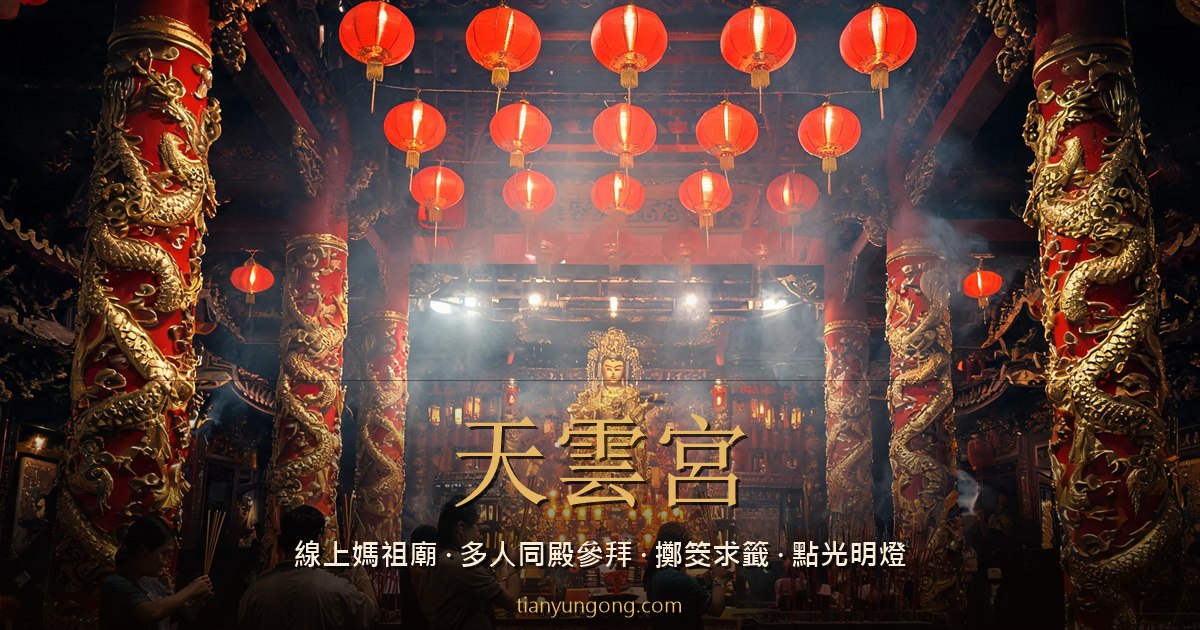
Waking up crying in the night, unexplained palpitations, feeling off after a funeral or a hospital visit — an older relative will often say, "go have a shoujing done". It is one of the most everyday folk rituals in Taiwan, and most people have no idea what it actually involves. This guide explains it.
What shoujing is
Folk belief holds that a person has three hun and seven po souls. After a fright, a clash with an unlucky influence, or time spent somewhere with heavy energy, the souls can scatter or be pressed down, and the body responds with poor sleep, low energy and easy crying. Shoujing is the ritual of gathering the scattered souls back so the spirit returns to its place. It is usually performed by a temple grandmother or a Daoist priest, using rice, incense, a piece of clothing and a chant.
When it suits
Waking suddenly at night, sleeping badly, recurring nightmares.
Feeling strange after a funeral, a hospital or the scene of an accident.
A baby crying for no reason or running a fever at night with no clear cause — see a doctor first.
Feeling unsettled before a job change or an exam and wanting steadiness.
Important: rule out illness first
Shoujing is folk culture, not medicine. Fever, vomiting, convulsions, persistent crying, chest tightness or insomnia lasting more than two weeks all call for a doctor first. Shoujing can be a comfort, but it cannot replace diagnosis or treatment.
How the traditional ritual works
The most common form is rice-divination shoujing: the grandmother wraps a bowl of rice in a piece of clothing, circles it above your head and shoulders while chanting, asks your name and date of birth, then pours the rice out and reads the pattern to judge where the disturbance came from. It takes three to five minutes and is free or by donation.
How it works online
1. Open Tianyun Temple, walk through the main hall toward the courtyard. The gold furnace is on your left, and the two shoujing grandmothers stand beside it.
2. Tap a grandmother, or tap the prompt when you get close, and your character walks over to join the queue. The queue is shared across the whole site; the people ahead of you are real.
3. When it is your turn she says, "Come, let me settle your spirit," and the animation runs for about five seconds, ending with "shoujing complete".
4. In the rain the grandmothers pack up and go home. Come back on a clear day.
Afterwards
Traditionally you drink warm water and sit for a while before leaving, avoiding wind and late nights. Online there are no such rules, but an early night and less screen time will still help you sleep.
Enter the temple — free, no signup →Frequently asked questions
It is free at Tianyun Temple — just queue. Physical temples usually accept donations; there is no standard price.
There is no rule. Usually once per event. If the situation persists, see a doctor rather than repeating the ritual.
By folk custom, yes — a parent holds the child or brings a piece of clothing. But for a crying or feverish baby, see a paediatrician first. That matters more.
It keeps the queueing, the address to the deity and the ritual itself. The form differs, the intention does not. Peace of mind matters more than the form.
Physical shoujing often uses a garment you wear regularly. Online you do not need one — just pick your character.
Shoujing addresses fright and unsettled spirit; jigai clears heavier clashes; the Tai Sui rite is for zodiac signs offending the year. Different purposes, done separately.